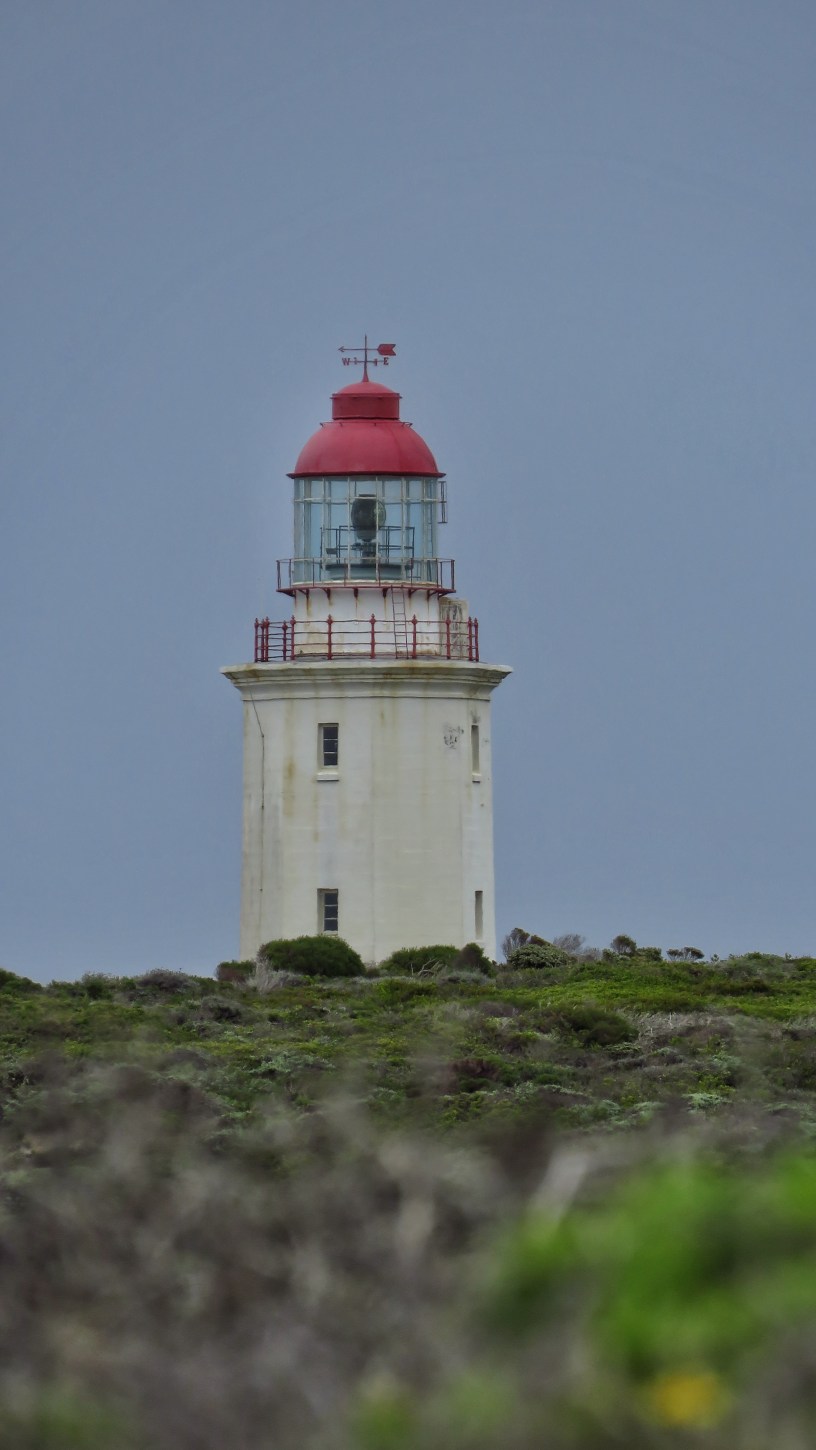

My love for lighthouses and shipwrecks always seems to draw me to some of the most treacherous coastlines. Coastlines with jagged reefs, mystical tales, and ghost stories.
Here, on the southern point of Walker Bay, lies the peninsula known as Danger Point. It is along this coastline that many an oceanfarer met a fatal end and found their final resting place. Few other coastlines can boast the dubious reputation of claiming as many ships.

I I was pleasantly surprised by the abundance of birdlife as I walked along the narrow path towards the lighthouse. A mixture of fynbos and coastal birds foraged among the low-tide shallows for fish, insects, and lizards, while others sought the sweet nectar of the ericas and other vegetation growing on the dune slopes.

Danger Point is also the keeper of a few fascinating firsts.
Have you ever heard of the legendary ghost ship, The Flying Dutchman? This is where it was first sighted.
And the Birkenhead?
This ship became famous because it was the first recorded maritime disaster where the “women and children first” protocol was followed. Seven women and thirteen children made it to safety, but most of the soldiers perished. An estimated 193 people survived from the 643 souls aboard.
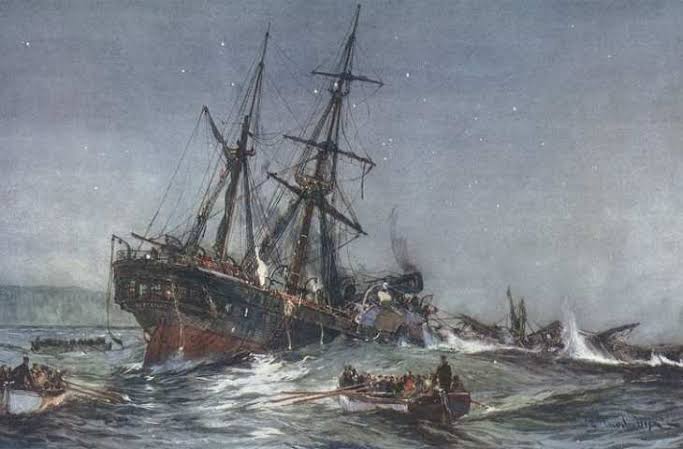
In 1894, the Danger Point Lighthouse was built, 44 years after the Birkenhead met her doom on a rock just off the point.
Standing 18.3 metres tall, its revolving electric light emits three flashes every 40 seconds, sending a warning signal to any vessel that dares come too close to its treacherous shores.

This stretch of coastline is also home to the mollusc known as abalone and has been the scene of one of the largest raids involving the endangered species. In one operation near Danger Point, authorities uncovered thousands of illegally harvested abalone taken by 130 poachers.
Sad, crazy, but true.
Danger Point is accessible via Franskraal near Gansbaai
 GoTravelbug